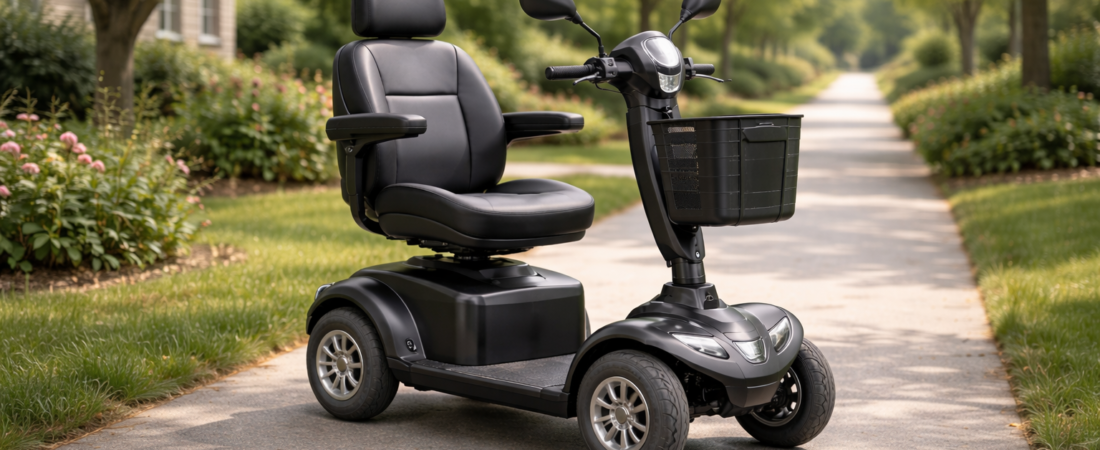
Why Safety, Stability, and Comfort Matter Together
Safety, stability, and comfort are closely connected in mobility scooters. A scooter that feels stable and comfortable is easier to control, while one that feels unsafe or uncomfortable can limit confidence and independence.
Understanding how these elements work together helps users choose a scooter that supports daily movement rather than creating hesitation or strain.
Stability and Balance Fundamentals
Stability refers to how securely a scooter remains upright during use. This is influenced by factors such as wheel configuration, weight distribution, and ground contact.
Scooters designed with stability in mind aim to:
-
reduce the risk of tipping
-
remain predictable during turns
-
maintain balance on uneven surfaces
A stable scooter allows users to focus on movement instead of constantly adjusting their position.
Wheel Configuration and Its Impact
The number and arrangement of wheels play a key role in how a scooter behaves.
Some configurations prioritise:
-
tighter turning ability
-
straight-line stability
-
support over uneven ground
Wheel design influences how confidently a scooter handles corners, slopes, and surface changes, which directly affects overall safety.
Speed Control and Handling
Mobility scooters are designed to move at controlled speeds, but how that speed is managed matters more than the top speed itself.
Safety-focused scooters often include:
-
smooth acceleration
-
predictable braking
-
consistent handling
These characteristics help prevent sudden movements that could feel unsettling or difficult to manage.
Seating Support and Posture
Comfort begins with proper seating. A well-supported seat helps maintain posture and reduces fatigue during use.
Important seating considerations include:
-
seat height relative to controls
-
backrest support
-
armrest positioning
-
overall seating stability
Comfortable seating contributes to safer operation by improving control and reducing strain.
Suspension and Ride Comfort
Suspension systems help absorb bumps and surface irregularities, especially during outdoor use.
Effective suspension can:
-
reduce vibration
-
improve comfort over longer distances
-
help maintain control on uneven ground
Not all scooters include suspension, but its presence can significantly affect how stable and comfortable a ride feels.
Control Layout and Ease of Use
Controls should be easy to reach, understand, and operate without excessive effort.
A clear control layout supports safety by:
-
reducing distraction
-
improving reaction time
-
allowing smooth adjustments
Comfortable controls help users maintain focus on their surroundings rather than the scooter itself.
Braking Systems and Stopping Ability
Reliable braking is a critical safety feature. Brakes should engage smoothly and bring the scooter to a controlled stop without abrupt jolts.
Consistent braking performance supports:
-
confidence during movement
-
safer navigation of slopes or obstacles
-
predictable handling in varied environments
Understanding how a scooter slows and stops is just as important as how it moves.
Visibility and Awareness Features
Visibility plays a role in safety, particularly in shared spaces or outdoor environments.
Some scooters include features that help others notice the scooter’s presence, while others rely on the user’s awareness and positioning. Clear visibility supports safer interaction with people and surroundings.
Comfort Over Time
Comfort is not only about how a scooter feels initially, but how it feels after extended use.
Long-term comfort depends on:
-
seating support
-
vibration control
-
ease of operation
-
body positioning
A scooter that remains comfortable over time helps maintain consistent use and confidence.
Matching Features to Individual Needs
Safety, stability, and comfort needs vary from person to person. Factors such as balance, strength, joint movement, and typical environments all influence which features matter most.
Rather than focusing on a checklist of features, it is more helpful to consider how a scooter will be used in everyday situations.
How These Features Support Independence
When safety, stability, and comfort are well balanced, a mobility scooter becomes easier to use consistently and confidently.
Understanding these features helps users make informed decisions that support independence without unnecessary complexity or concern.