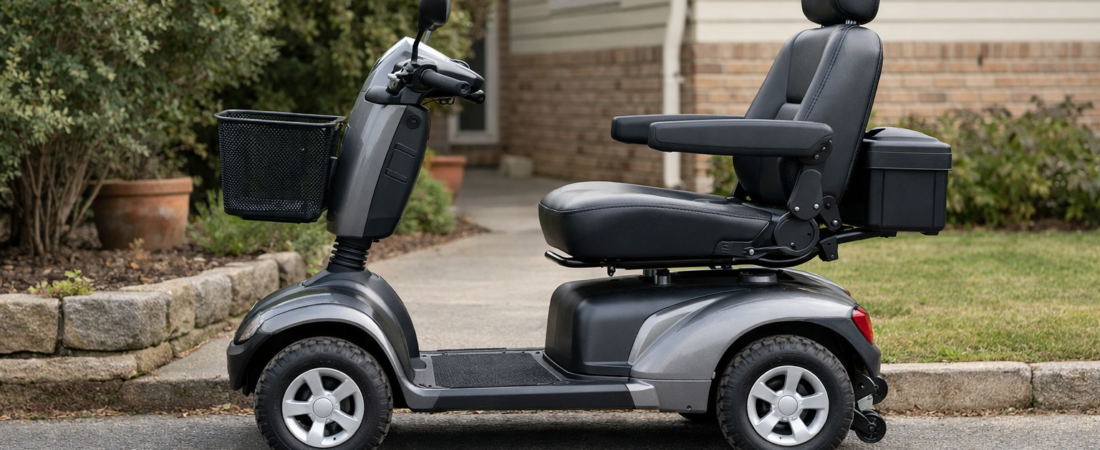
Mobility scooters are often described as long-term mobility solutions, but how long they actually last depends on a mix of build quality, usage patterns, and ongoing care. For most owners, the useful lifespan of a mobility scooter is measured in years, not months — but the details matter.
Understanding what typically wears out first, and what tends to last longest, helps set realistic expectations and avoid unnecessary replacements.
Average Lifespan of a Mobility Scooter
Most mobility scooters last between 3 and 7 years of regular use.
That range exists because scooters are used very differently from one person to another. A lightly used indoor scooter may remain reliable for many years, while a heavily used outdoor model driven daily on rough surfaces will experience faster wear.
As a broad guide:
-
Light, occasional use: 6–7 years or more
-
Moderate, regular use: 4–6 years
-
Heavy daily use: 3–4 years
A scooter may continue to operate beyond these timeframes, but performance, range, or reliability often begins to decline.
What Usually Determines How Long a Scooter Lasts
Build Quality and Design
Higher-quality scooters tend to use stronger frames, more durable motors, and better electrical connections. Entry-level scooters can still be reliable, but they may not tolerate long daily use or outdoor conditions as well as higher-spec models.
Battery Lifespan
Batteries almost never last as long as the scooter itself.
Most mobility scooter batteries last 1.5 to 3 years, depending on the type of battery and how well it is maintained. A scooter that feels worn out is often functioning normally but running on tired batteries. Replacing the batteries can significantly extend the scooter’s usable life.
How and Where the Scooter Is Used
The operating environment plays a major role in lifespan.
Indoor use typically results in less vibration, smoother driving surfaces, and lower exposure to moisture or dust. Outdoor use introduces weather exposure, uneven ground, and additional mechanical stress. Regular use on hills or rough terrain places more strain on motors and braking systems.
Weight Load and Terrain
Operating close to or above the scooter’s weight limit increases wear on motors, suspension components, brakes, and drive systems. Frequent curb transitions, gravel paths, or poorly maintained footpaths also accelerate long-term wear.
Components That Commonly Wear Out First
Mobility scooters rarely fail all at once. Instead, individual components wear at different rates.
Batteries are the most common replacement item and usually determine when performance begins to decline.
Tyres can harden, crack, or lose traction over time. Pneumatic tyres may wear or puncture, while solid tyres can become less forgiving as they age.
Seats and armrests may show wear through compressed foam, cracking upholstery, or loosened mechanisms after several years of use.
Controls and switches, such as key ignitions, throttle levers, and display panels, can become less responsive as internal components age.
Can a Mobility Scooter Last More Than Seven Years?
Yes, but usually with maintenance and part replacements along the way.
Scooters that remain in service beyond seven years typically have had multiple battery replacements, maintained tyres and brakes, and consistent indoor storage. They are also less likely to have been subjected to heavy daily use or harsh outdoor conditions.
At some point, replacement becomes more practical than continued repairs, particularly if newer models offer improved safety, stability, or comfort features.
Signs a Mobility Scooter Is Reaching the End of Its Useful Life
A scooter may be nearing replacement time if you notice reduced driving range even with new batteries, recurring electrical or control issues, declining stability or braking performance, difficulty sourcing replacement parts, or repair costs that approach the value of a newer scooter.
These signs are not usually urgent, but they do indicate it may be time to reassess long-term reliability.
Extending the Life of a Mobility Scooter
While no mobility scooter lasts indefinitely, good ownership habits can make a meaningful difference.
Charging batteries correctly, avoiding damp or excessively hot storage areas, staying within weight limits, addressing small mechanical issues early, and maintaining proper tyre inflation all help reduce long-term wear.
Simple care routines can add years to a scooter’s usable lifespan.
Setting Realistic Expectations
A mobility scooter is best viewed as a long-term mobility tool with consumable components rather than a one-time purchase that never changes.
For most owners, the frame and motor are designed to last, while batteries and other wear components define the practical lifespan.
Lifespan expectations are just one part of long-term mobility scooter ownership, alongside maintenance, storage, transport, and evolving needs over time.