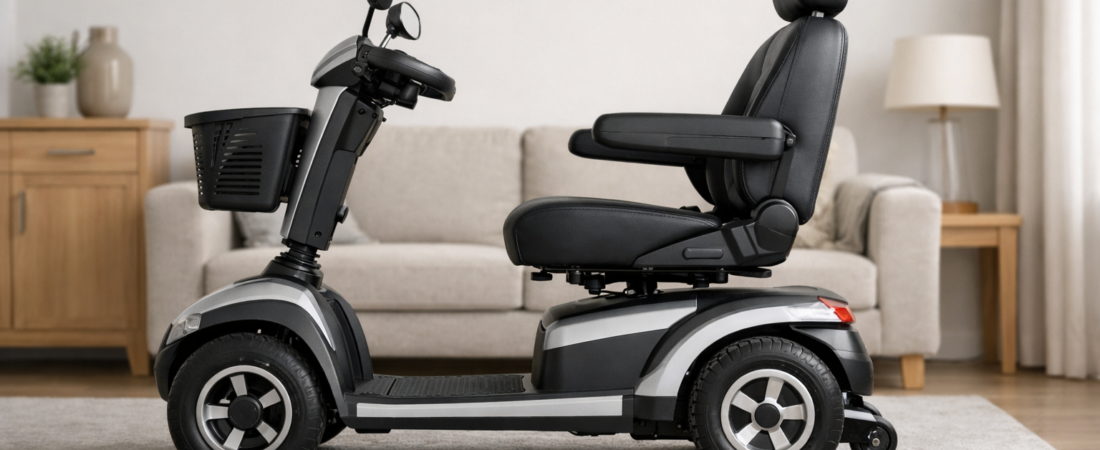
Choosing a mobility scooter is a significant decision. For many people, it represents greater independence, confidence, and the ability to stay active in everyday life — not just a purchase of equipment.
With so many scooter styles, features, and specifications available, it’s easy to feel overwhelmed. This guide explains how to choose the right mobility scooter step by step, focusing on practical needs rather than marketing claims.
The goal is to help you make a calm, informed decision that fits your lifestyle now and continues to work well in the years ahead.
Start With How You’ll Actually Use the Scooter
Before comparing models or features, it’s important to think about how and where the scooter will be used most of the time.
Consider questions such as whether the scooter will be used mainly indoors, outdoors, or both, whether it’s for short daily trips or longer outings, whether it needs to be transported in a car, and whether it will be used independently or with occasional assistance.
Clear answers to these questions narrow your options more effectively than any specification list.
Indoor Use: Space, Turning and Manoeuvrability
If a scooter will be used indoors, even occasionally, size and turning ability matter more than speed or range.
Important factors include overall width and length for fitting through doorways, turning radius for navigating hallways and rooms, and smooth low-speed control for safe indoor movement.
Compact scooters with tight turning circles are generally better suited to homes, apartments, and retirement living environments.
Outdoor Use: Stability, Surface and Distance
For outdoor use, scooters must handle uneven surfaces, footpaths, and longer distances comfortably.
Key considerations include wheel size and suspension for stability, ground clearance for kerbs and transitions, battery range suitable for typical outings, and tolerance for changing outdoor conditions.
Outdoor-focused scooters are usually larger and heavier, but they provide greater confidence and comfort on varied terrain.
3-Wheel vs 4-Wheel Scooters
One of the most common decisions buyers face is choosing between three-wheel and four-wheel designs.
Three-wheel scooters typically offer a tighter turning radius, easier indoor manoeuvring, and lighter overall weight.
Four-wheel scooters generally provide greater stability, better balance on uneven surfaces, and increased confidence outdoors.
Neither option is universally better. The right choice depends on where and how the scooter will be used.
Comfort: Seating, Posture and Long-Term Use
Comfort becomes increasingly important as scooters are used more frequently.
Features worth paying attention to include adjustable seat height, padded seating with proper back support, armrests that flip up or adjust, and tiller adjustment to support natural posture.
A scooter that feels fine for five minutes may not feel comfortable after half an hour. Comfort supports confidence and regular use.
Weight Capacity and User Fit
Every mobility scooter has a maximum recommended weight limit, which includes the rider as well as any carried items such as bags or baskets.
Choosing a scooter with an appropriate capacity helps ensure better performance, longer lifespan, and improved stability and safety.
Fit matters as much as capacity. Legroom, seat width, and control reach should feel natural and unstrained.
Battery Range and Charging Practicalities
Battery range is often advertised as a maximum figure, but real-world performance varies depending on terrain, user weight, speed, and battery age.
Rather than focusing on the largest number, it’s more useful to consider typical outing distances, access to charging at home, and whether overnight charging is convenient.
A reliable, predictable range is more important than an impressive headline figure.
Storage and Transport Considerations
Where the scooter will be stored and whether it needs to be transported should be decided early.
Think about whether it can be stored indoors without blocking walkways, whether it needs to fit into a car boot, and whether folding or disassembly is important.
Some scooters are designed for portability, while others prioritise comfort and durability over ease of transport.
Controls and Ease of Use
Scooter controls should feel intuitive rather than complicated.
Look for clear, simple control layouts, easy-to-read displays, smooth acceleration and braking, and controls that can be used comfortably with limited hand strength.
Ease of use reduces stress and increases confidence, especially for first-time users.
Safety Features Worth Noticing
While safety features vary between models, useful elements often include anti-tip wheels, automatic braking systems, stable wheelbase design, and lighting or reflective elements for visibility.
Safety should be built into the scooter’s design rather than relying on add-on accessories.
Choosing With the Future in Mind
Needs can change over time. When possible, choose a scooter that allows for adjustable components, accessory additions such as baskets or holders, and comfortable use over longer periods.
Planning ahead can help reduce the likelihood of needing an early replacement.
Final Thoughts
Choosing the right mobility scooter is about matching the scooter to real life rather than chasing specifications or trends.
By focusing on where it will be used, how it will be used, and prioritising comfort, stability, and confidence, it becomes much easier to narrow the options and make a thoughtful decision.
Future articles will explore specific living situations, indoor versus outdoor use, and safety considerations in more detail, building a complete picture that supports confident, independent mobility.