Why the Indoor vs Outdoor Distinction Matters
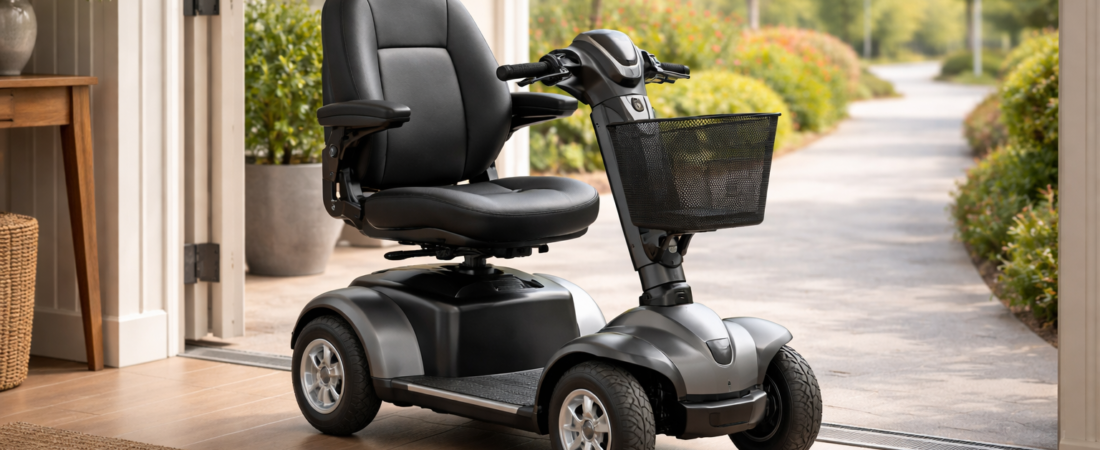
Mobility scooters are often described as being suitable for indoor use, outdoor use, or both. This distinction is important because indoor and outdoor environments place very different demands on a scooter.
Understanding these differences helps ensure a scooter fits comfortably into daily life rather than creating new limitations.
How Indoor Environments Shape Scooter Design
Indoor spaces are typically more confined and predictable than outdoor areas. Hallways, doorways, furniture placement, and floor surfaces all influence how a scooter needs to perform indoors.
Scooters designed primarily for indoor use usually focus on:
-
compact size
-
tighter turning radius
-
smooth, responsive steering
-
controlled speed
These features help users move comfortably through smaller spaces without constant adjustments.
Outdoor Use Places Different Demands on a Scooter
Outdoor environments are less controlled and often uneven. Footpaths, driveways, slopes, and surface changes all affect how a scooter behaves.
Scooters intended for outdoor use often emphasise:
-
stability over uneven ground
-
larger wheels
-
higher ground clearance
-
stronger motors
-
longer travel range
These characteristics support safer and more predictable outdoor movement.
For a deeper look at choosing a scooter specifically for pavements and footpaths, see Best Mobility Scooters for Outdoor Footpaths & Pavements.
Turning Radius and Manoeuvrability
One of the most noticeable differences between indoor and outdoor scooters is how tightly they can turn.
Indoor-focused scooters are designed to:
-
turn easily in narrow spaces
-
navigate around furniture
-
fit through standard doorways
Outdoor scooters typically require more space to turn, which can make indoor navigation more challenging in smaller homes.
Size, Weight, and Storage Considerations
Outdoor scooters are often larger and heavier due to their added stability and power. This can affect:
-
indoor storage options
-
ease of transport
-
manoeuvring in confined spaces
Indoor scooters are generally lighter and easier to store, but may not perform as well outside the home.
Balancing size and practicality is an important part of choosing the right scooter type.
Surface Types and Comfort
Indoor scooters usually operate on smooth, level surfaces such as tiles, carpet, or hardwood flooring. Outdoor scooters must handle:
-
uneven pavements
-
minor obstacles
-
surface transitions
As a result, outdoor scooters often include enhanced suspension and larger tyres to improve comfort and control.
Speed and Control Differences
Indoor mobility scooters are typically designed with slower, more controlled speed ranges to support safe movement in close quarters.
Outdoor scooters may allow higher speeds to:
-
keep pace on footpaths
-
reduce travel time
-
handle longer distances
Speed alone does not determine suitability, but it influences how a scooter feels in different environments.
Weather Exposure and Durability
Outdoor scooters are built to tolerate exposure to weather, temperature changes, and environmental wear. Materials and components are chosen with durability in mind.
Indoor scooters generally experience less exposure, which allows for lighter construction but may limit outdoor reliability.
Hybrid Scooters: Bridging Indoor and Outdoor Use
Some mobility scooters are designed as hybrids, aiming to perform reasonably well both indoors and outdoors.
These scooters attempt to balance:
-
moderate size
-
acceptable turning radius
-
sufficient outdoor stability
While hybrids can work well for some users, they often involve compromises in one direction or the other.
Choosing Based on Daily Life, Not Labels
Rather than focusing only on whether a scooter is labelled “indoor” or “outdoor,” it’s more helpful to consider:
-
where the scooter will be used most often
-
the layout of the home
-
typical outdoor routes
-
storage and transport needs
A scooter that aligns with daily routines will feel far more supportive over time.
How This Fits Into the Bigger Decision Process
Indoor and outdoor considerations are one part of a broader mobility decision. Factors such as comfort, safety, and independence all interact with where and how a scooter is used.
Understanding these differences provides a strong foundation for making informed, confident choices.