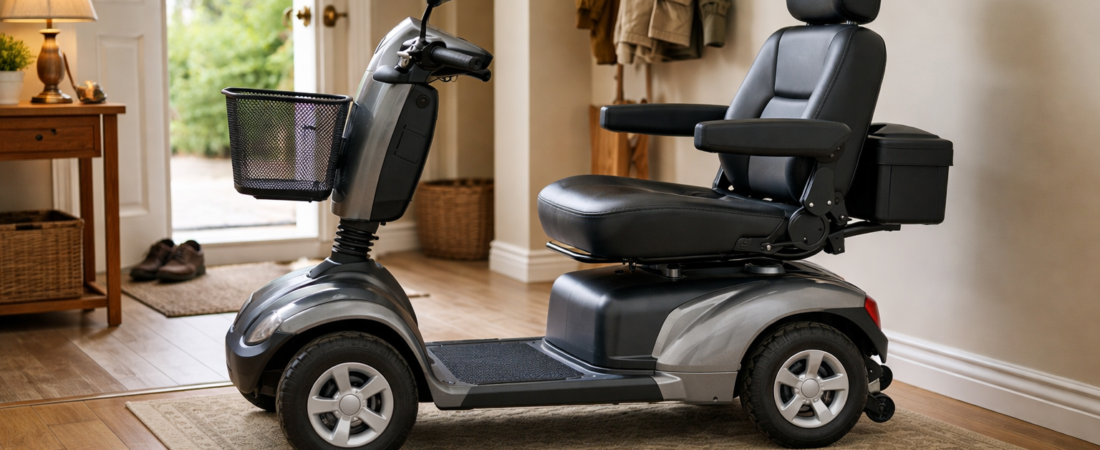
Owning a mobility scooter is not a one-time decision. While the initial purchase is important, long-term ownership involves ongoing considerations that affect comfort, reliability, cost, and everyday use.
Understanding what ownership really involves helps people choose scooters that remain practical over time, avoid unnecessary frustration, and plan calmly for future needs.
What Mobility Scooter Ownership Typically Includes
Mobility scooter ownership extends beyond driving the scooter itself. Over time, most owners interact with a combination of maintenance tasks, storage decisions, transport planning, and gradual component wear.
These factors tend to emerge slowly, which is why early awareness is more useful than reactive problem-solving later.
Lifespan Expectations and Long-Term Use
Most mobility scooters are designed for several years of regular use, but their practical lifespan depends on usage patterns, environment, and maintenance habits.
Scooters used lightly or primarily indoors often remain serviceable for many years, while scooters exposed to daily outdoor use or uneven terrain experience faster wear. In most cases, scooters age gradually rather than failing suddenly.
Understanding expected lifespan helps owners plan for maintenance, repairs, and eventual replacement without urgency.
Having realistic expectations also means understanding how long mobility scooters typically last and what factors influence their usable lifespan over time.
Ongoing Costs Beyond the Initial Purchase
Ownership costs do not stop after buying a scooter.
Common long-term costs may include:
-
Battery replacement
-
Tyres or wheels
-
Occasional servicing or adjustments
-
Replacement of worn controls or seating components
These costs tend to appear gradually and vary widely depending on scooter type and use intensity. Planning for them reduces financial surprises and supports more confident ownership.
Battery Replacement and Power Management
Batteries are the most frequently replaced component in a mobility scooter.
Over time, batteries naturally lose capacity, reducing driving range and reliability. Replacing batteries often restores performance and extends the usable life of the scooter without requiring full replacement.
Charging habits, storage conditions, and usage frequency all influence battery lifespan.
Maintenance and Servicing Needs
Mobility scooters generally require less maintenance than many powered devices, but they are not maintenance-free.
Typical maintenance considerations include:
-
Tyre condition and inflation
-
Brake responsiveness
-
Electrical connections
-
Steering and stability checks
Addressing minor issues early helps prevent larger problems and extends the scooter’s reliability.
Storage Considerations at Home
Safe, practical storage plays a major role in long-term ownership.
Storage considerations include:
-
Available indoor or outdoor space
-
Protection from weather and moisture
-
Ease of access for daily use
Scooters that fit comfortably into their storage environment are more likely to be used consistently and remain in better condition over time.
Transporting a Mobility Scooter
Many owners need to transport their scooter occasionally or regularly.
Transport considerations may involve:
-
Vehicle compatibility
-
Scooter weight and size
-
Folding or disassembly features
-
Lifting or loading assistance
Transport practicality often influences how often a scooter is used outside the home and how integrated it becomes in daily routines.
Practical ownership also includes planning for travel, transport, and storage, which can strongly influence how easily a scooter fits into everyday routines.
Adapting Ownership as Needs Change
Mobility needs rarely remain static.
Over time, owners may find that:
-
Comfort requirements change
-
Outdoor use increases or decreases
-
Storage or transport needs shift
A scooter that worked well initially may eventually feel less suitable. Recognising these changes early allows for adjustments, upgrades, or replacements without pressure.
Repair Versus Replacement Decisions
As scooters age, owners may face decisions about repairing older equipment or replacing it entirely.
Factors that influence this decision include:
-
Availability of replacement parts
-
Frequency of repairs
-
Overall reliability
-
Improvements available in newer models
There is no universal timeline for replacement. The goal is sustained safety, comfort, and reliability rather than maximising lifespan at all costs.
Ownership as a Long-Term Planning Process
Mobility scooter ownership works best when viewed as an ongoing process rather than a fixed purchase.
Understanding lifespan expectations, maintenance needs, costs, storage, and transport helps owners make choices that remain practical over time. With thoughtful planning, a mobility scooter can continue supporting independence and mobility as circumstances evolve.