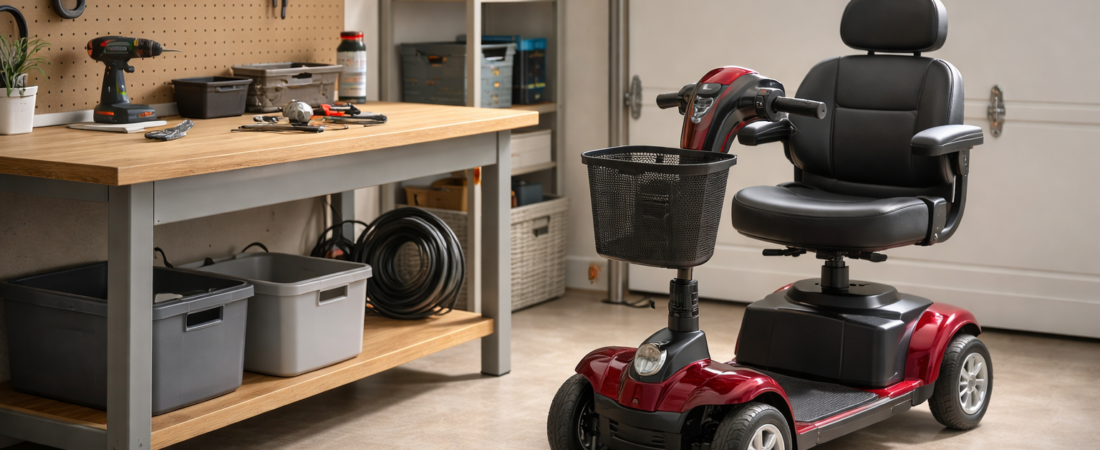
Mobility scooters are built to provide independence, stability, and safe daily movement. Over time, however, every mobility device experiences wear. Parts age, batteries lose capacity, and components that once operated smoothly may begin to show signs of fatigue.
When this happens, many owners face an important question: should the scooter be repaired, or is it safer to replace it?
The answer depends on several factors including the age of the scooter, the type of problem involved, the cost of repair, and whether the issue affects core safety systems. Understanding how these elements interact can help owners and caregivers make a calm, informed decision.
Why Safety Should Guide the Decision
Mobility scooters are transportation devices designed to support people who may have limited balance, reduced strength, or slower reaction times. Because of this, reliability and stability are essential.
A scooter that stops unexpectedly, loses power while driving, or develops steering problems can quickly become a safety concern. Even relatively small mechanical issues may increase risk if they affect braking, steering, or structural stability.
When deciding whether to repair or replace a scooter, the most important question is not simply cost, but whether the device can continue to operate safely and predictably.
Common Problems That Can Usually Be Repaired
Many mobility scooter issues are relatively minor and can often be resolved through standard maintenance or component replacement.
Examples include battery replacement, worn tires, loose wiring connections, or worn seat cushions. These types of repairs typically restore normal operation without affecting the overall safety of the scooter.
For example, batteries naturally degrade over time and often need replacement every one to three years depending on usage patterns. Replacing batteries is considered routine maintenance and rarely requires replacing the entire scooter.
Similarly, worn tires or minor electrical issues are often inexpensive repairs that can extend the useful life of the scooter for several more years.
Problems That May Raise Safety Concerns
Some issues involve core structural or control systems and may indicate that replacement is the safer option.
Problems that can affect safety include:
• unreliable braking systems
• steering instability
• repeated electronic control failures
• structural frame damage
• motor or drivetrain failure
These components are directly responsible for controlling movement and stopping the scooter. When they become unreliable, the risk of unexpected behavior increases.
Even if repairs are technically possible, repeated failures or high repair costs may suggest that the scooter is approaching the end of its safe operating life.
Many of these issues relate directly to the design elements discussed in mobility scooter safety, stability and comfort features, where braking systems, steering stability, and rider control all play an important role in safe operation.
Age of the Scooter and Parts Availability
The age of the scooter can also influence the repair-versus-replace decision.
Many mobility scooters remain reliable for several years with proper maintenance, but older models may become harder to service as replacement parts become less available.
Manufacturers periodically discontinue components such as control modules, motors, or battery housings. When this happens, repairs may require substitute parts or complex workarounds that may not fully restore the scooter’s original reliability.
If essential components are no longer supported, replacement may be the safer long-term option.
Frequency of Repairs
Occasional maintenance is normal for any mechanical device. However, frequent repairs may indicate that multiple components are wearing out at the same time.
For example, if a scooter requires new batteries, motor repairs, electrical work, and tire replacement within a short period, the total cost of maintaining the scooter may begin to approach the cost of a newer model.
Frequent mechanical issues can also create uncertainty for users who rely on the scooter for daily mobility. In these cases, replacing the scooter may provide greater long-term reliability and peace of mind.
Stability and Performance Changes
Sometimes the most important signs are subtle changes in how the scooter feels during normal use.
A scooter that once felt stable may begin to wobble slightly when turning, hesitate during acceleration, or feel less responsive when braking. These changes may be caused by worn suspension components, aging motors, or degraded electronics.
While some performance changes can be repaired, noticeable declines in stability or control should be taken seriously, particularly for users who depend on the scooter for everyday movement.
If stability cannot be fully restored through standard repairs, replacement may be the safer path.
When Replacement May Be the Safer Choice
Replacement becomes more likely when several of the following factors are present:
• major safety-related components have failed
• multiple repairs are needed simultaneously
• the scooter is approaching the end of its typical service life
• replacement parts are difficult to obtain
• reliability has become unpredictable
In these situations, replacing the scooter may reduce the risk of unexpected failures and restore confidence in everyday mobility.
A newer scooter may also include updated safety features, improved batteries, and more stable designs that reflect advances in mobility technology.
Balancing Cost and Long-Term Safety
Repairing a scooter is often less expensive in the short term. However, the lowest immediate cost is not always the safest long-term decision.
When evaluating repair costs, it can be helpful to consider how long the repair is likely to extend the scooter’s useful life. A small repair that provides several more years of reliable use may be worthwhile. In contrast, an expensive repair on a scooter nearing the end of its life may not provide lasting value.
Carefully balancing repair costs, reliability, and safety helps ensure that the scooter continues to support independence rather than create uncertainty.
Talking With a Mobility Equipment Specialist
If the decision is unclear, a qualified mobility equipment technician can help assess the condition of the scooter. Technicians can evaluate the motor, braking system, battery performance, and frame integrity to determine whether repairs will restore safe operation.
This type of professional assessment can provide reassurance for both users and caregivers when deciding whether repair or replacement is the better option.
Understanding the Role of Preventative Maintenance
Regular maintenance can significantly extend the life of a mobility scooter and reduce the likelihood of unexpected failures.
Keeping batteries properly charged, inspecting tires for wear, tightening loose components, and scheduling occasional service checks can help identify small problems before they become larger safety concerns.
With consistent care, many scooters remain dependable for years, allowing users to maintain confidence in their mobility and independence.
Final Thoughts
Deciding whether to repair or replace a mobility scooter is rarely a simple financial choice. Because these devices support everyday movement and independence, safety and reliability should remain the primary considerations.
Minor repairs and routine maintenance can often keep a scooter operating well. However, when structural components, braking systems, or electronic controls begin to fail, replacement may provide the safest long-term solution.
By focusing on stability, reliability, and safe operation, users and caregivers can make thoughtful decisions that support continued independence and confidence in daily mobility.